
Singapore Culture: A Fascinating Blend of Traditions, People, and Modern Life
 Singapore is one of the world’s most fascinating multicultural destinations, where different traditions and communities come together in a remarkably modern city. Although Singapore is known for its impressive skyscrapers, clean streets, shopping districts, and futuristic attractions, its cultural identity is deeply connected to the traditions of the people who have called the island home for generations. Chinese, Malay, Indian, and many other communities have contributed to Singapore’s distinctive identity, creating a culture that can be experienced through food, festivals, religion, architecture, language, and everyday life.
A Multicultural Identity
One of the most remarkable aspects of Singaporean culture is its multicultural character. The country’s population includes communities with Chinese, Malay, Indian, Eurasian, and other cultural backgrounds. Each community has preserved important elements of its heritage while becoming part of Singapore’s shared national identity.
This cultural diversity can be seen throughout the city. Traditional temples, mosques, churches, and Hindu temples can often be found within relatively short distances of one another. Historic neighborhoods also showcase different architectural styles, cuisines, languages, and traditions, making even an ordinary walk through the city an opportunity to discover something new.
Chinese Culture in Singapore
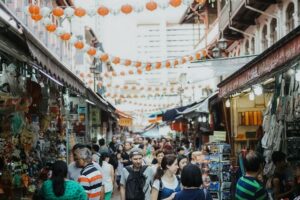
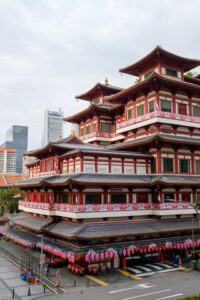
Chinese culture has played an important role in the development of modern Singapore. Chinese traditions can be explored in places such as Chinatown, where visitors can find traditional architecture, temples, markets, restaurants, and cultural attractions.
Chinese New Year is one of the most significant celebrations in Singapore. Streets and shopping areas are decorated with colorful displays, while families gather to celebrate with traditional meals and customs. Lion dances, festive decorations, lanterns, and special foods contribute to the lively atmosphere during the celebrations.
Traditional Chinese Food
Food is an important part of Chinese cultural traditions in Singapore. Visitors can discover dishes influenced by different Chinese regional traditions, from noodles and dumplings to roasted meats and seafood. Hawker centers are particularly important because they bring together affordable and diverse food in a casual local setting.
Malay Culture and Heritage
Malay culture represents an important part of Singapore’s historical and cultural identity. Kampong Glam is one of the best-known areas for discovering Malay heritage, with colorful streets, traditional businesses, cultural shops, and the impressive Sultan Mosque.
Malay traditions can also be experienced through food, music, clothing, celebrations, and community events. Hari Raya Aidilfitri is an important celebration for Muslims in Singapore and is marked by family gatherings, traditional clothing, festive meals, and visits between friends and relatives.
Exploring Kampong Glam
Kampong Glam offers travelers an opportunity to experience a different side of Singapore. The neighborhood combines historical heritage with contemporary cafés, restaurants, boutiques, and creative spaces. Its streets demonstrate how Singapore’s cultural heritage continues to evolve while remaining connected to its past.
Indian Culture in Singapore
Indian culture is another important part of Singapore’s multicultural landscape. Little India is a vibrant neighborhood where visitors can experience colorful buildings, Indian restaurants, traditional stores, Hindu temples, and lively streets.
The area becomes especially vibrant during major Indian festivals. Deepavali, also known as the Festival of Lights, is celebrated with colorful decorations, lights, traditional foods, and community gatherings.
The Influence of Indian Cuisine
Indian cuisine has become an essential part of Singapore’s food culture. Travelers can enjoy everything from South Indian dishes and biryani to roti prata, curries, sweets, and other regional specialties. The variety reflects the different Indian communities that have contributed to Singapore’s culinary traditions.
Singapore’s Food Culture
Food is perhaps one of the easiest ways to experience Singaporean culture. The country’s culinary identity has been shaped by its multicultural population, resulting in a remarkable combination of Chinese, Malay, Indian, Peranakan, and other influences.
Hawker centers are particularly important to Singapore’s food culture. These lively food spaces allow locals and visitors to enjoy a wide variety of dishes in one place. Popular foods include chicken rice, laksa, satay, char kway teow, roti prata, and many other local favorites.
Food as a Cultural Experience
Singapore’s food culture is more than simply eating a meal. It is closely connected to family traditions, community, history, and everyday social life. Sitting at a hawker center, trying a local dish, and watching people go about their daily routines can provide travelers with a genuine glimpse into Singaporean life.
Festivals and Celebrations
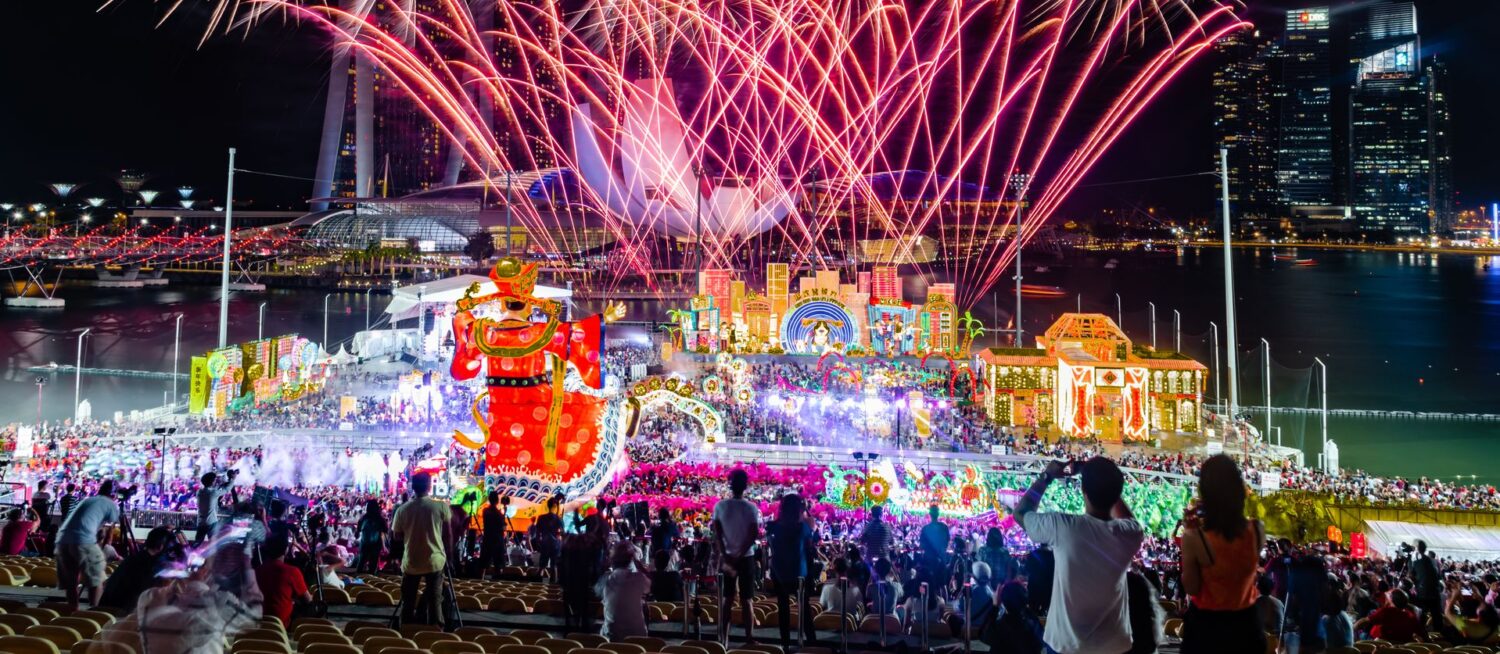
Singapore’s cultural diversity is especially visible during its many festivals and celebrations. Chinese New Year, Hari Raya Aidilfitri, Deepavali, Christmas, Vesak Day, and other occasions are celebrated across the country.
These festivals provide opportunities to experience traditional decorations, food, music, performances, religious customs, and community gatherings. The celebrations also demonstrate how different cultural traditions coexist within the same modern city.
Language and Everyday Life
Singapore’s linguistic diversity is another interesting feature of its culture. English is widely used, while Malay, Mandarin, and Tamil are also recognized as official languages. This combination reflects the country’s multicultural heritage.
Singaporean English, commonly known as Singlish, has also developed its own distinctive character. It incorporates influences from different languages and is often associated with informal everyday conversations.
 Respecting Singaporean Culture
Travelers can have a more enjoyable experience by understanding and respecting local customs. Singapore is known for its orderly public environment, and visitors should pay attention to local rules and social expectations.
When visiting religious places, appropriate clothing and respectful behavior are important. Travelers should also be considerate when photographing people, religious ceremonies, or cultural activities. Small gestures of respect can make cultural experiences more meaningful and enjoyable.
Modern Singapore and Traditional Heritage
What makes Singapore especially interesting is the way tradition and modernity exist side by side. A traveler can admire futuristic architecture in the morning, explore a centuries-old religious tradition in the afternoon, and enjoy a traditional meal at a hawker center in the evening.
Singapore’s culture is not frozen in the past. Instead, it continues to evolve as different communities, generations, and influences shape modern life. Historic neighborhoods have become popular destinations for both locals and visitors, while traditional foods and festivals continue to remain an important part of everyday culture.
Experience the Real Singapore
Understanding Singaporean culture can transform a simple vacation into a much richer travel experience. Instead of seeing Singapore only as a modern city filled with attractions, visitors can discover the stories, traditions, people, and communities behind its streets.
From the heritage neighborhoods of Chinatown, Little India, and Kampong Glam to the flavors of local hawker centers and the colorful celebrations held throughout the year, Singapore offers countless opportunities to explore its multicultural identity. The best way to understand Singapore is to slow down, explore beyond the major attractions, taste the local food, meet the culture through its neighborhoods, and appreciate the traditions that make this small island nation so unique.